What The Marine Layer Leaves Behind
Coastal mornings are damp. As dew dries on your car, it leaves behind a fine salty film. Salt is abrasive, holds moisture against metal, and speeds corrosion on unprotected parts. Neighborhoods like Naples and Belmont Shore in Long Beach, Huntington Harbour, and the Hollywood Riviera in Torrance see it daily.
Paint
A sealant or ceramic coating gives salt nothing to grab. Wash every two weeks so it never builds into a haze.
Wheels, Lower Panels And Underside
Salt spray collects low. Focus on wheels, rocker panels and wheel wells, and rinse them after beach days.
Glass And Trim
Salt film on glass causes glare at night. Black plastic trim fades faster near the coast; trim restore and UV protectant help.
Interiors
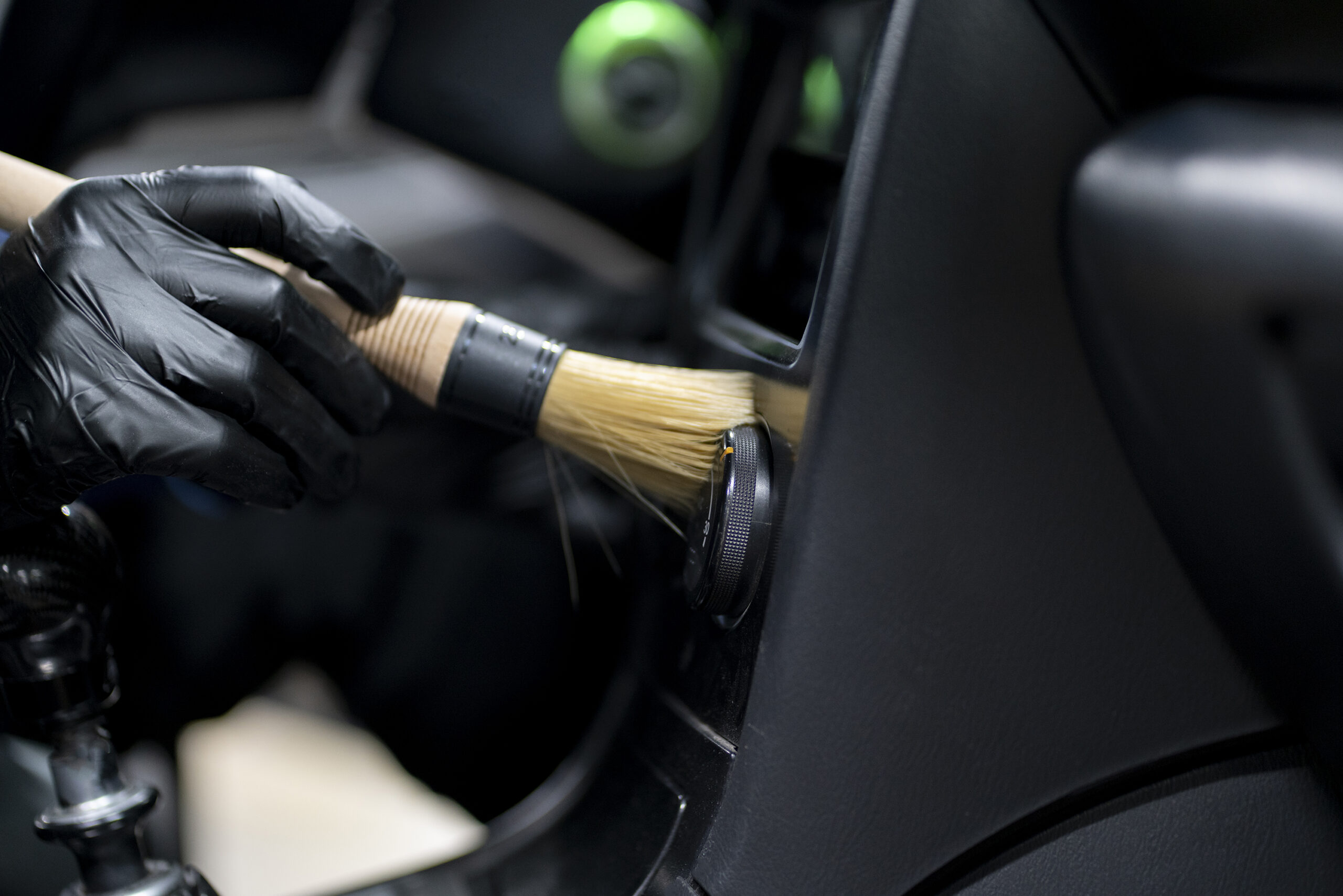
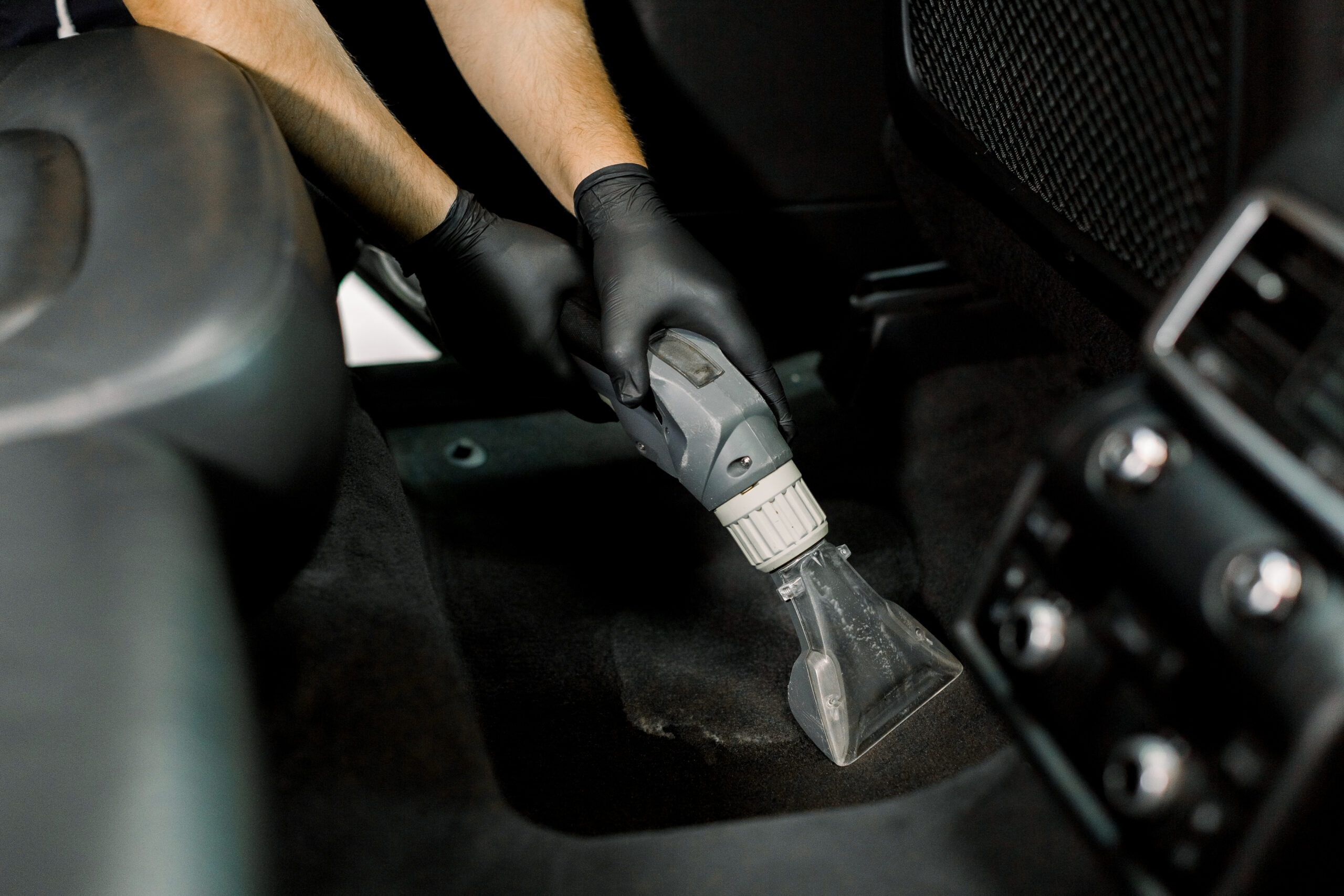
Sand, wet towels and sunscreen are the beach-car trio. Sand hides deep in carpet, sunscreen stains door panels and seats, and damp carpets turn musty. Extraction solves all three.
Boats Too
Saltwater is even harder on boats. We detail and coat boats at the dock or on the trailer; see boat detailing.
Corrosion Hot Spots
- Brake components and wheel bolts
- Exhaust tips
- Door hinges and jambs
- Exposed metal around stone chips
Touch up chips early; bare metal near the coast corrodes quickly.
The Marine Layer And Water Spots
Dew that dries on the car can leave mineral spots, similar to hard water. Protected paint lets you wipe or rinse them away before they etch.
Weekly Habits
- Quick rinse of wheels and lower panels after beach trips
- Wipe salt film off glass for night driving
- Shake out sandy mats before sand works into the carpet
Beach Parking
Sand blown across a parking lot sandblasts paint and glass at low level. Coated paint resists it better, and regular decontamination keeps embedded particles out.
Neighborhoods We Serve Near The Coast
Long Beach, Huntington Beach, Costa Mesa, Torrance and the South Bay. Find your city on our service areas page.