The Plastic Bag Test
Wash the car, then put your hand inside a thin plastic sandwich bag and run it across the hood. If it feels gritty, contaminants are bonded to the paint.
What Is Stuck In There
- Rail and brake dust (tiny iron particles that rust in place)
- Industrial and refinery fallout
- Paint overspray
- Tree sap mist
Cars near freight corridors, ports and refineries collect it fastest, like those around the I-710 in Long Beach and Carson.
How Decontamination Works
An iron remover dissolves embedded iron first, often turning purple as it works. Then a clay bar, on plenty of lubricant, glides over the surface and picks up what is left. The paint ends up glass-smooth.
Why It Comes Before Polishing
Polishing over contamination drags it across the paint. Every correction and coating we do starts with decontamination.
How Often
Twice a year for most cars. Our Executive Exterior includes clay bar and paint decontamination, starting at $160.
Clay Versus Synthetic Clay Mitts
Traditional clay bars are gentle and thorough. Synthetic clay mitts and towels are faster on large vehicles. Both need lots of lubricant, and both are replaced when contaminated.
What It Feels Like After
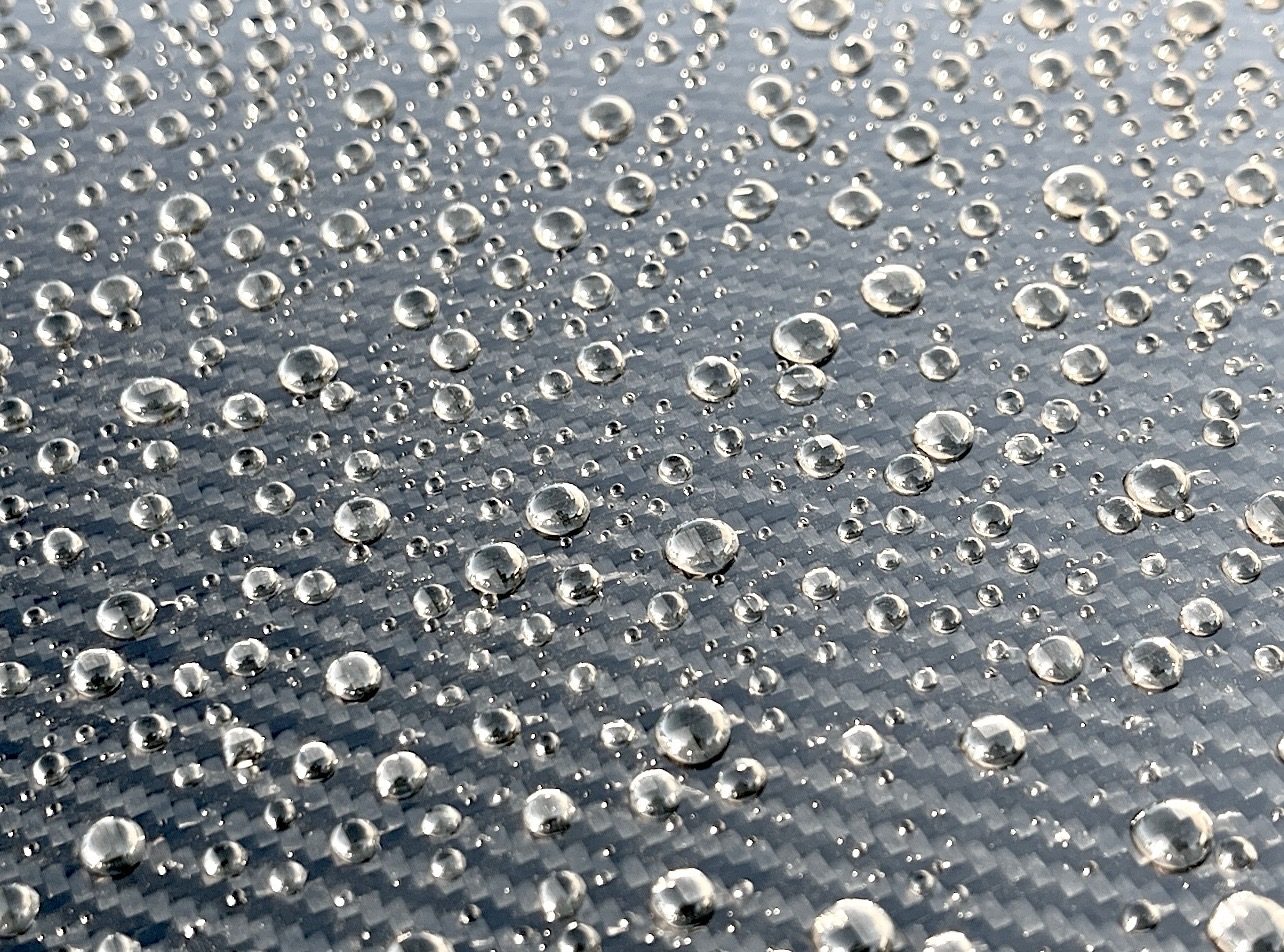
Paint goes from gritty to glass-smooth. Protection bonds better, water beads more evenly, and the car stays clean longer.
Iron Remover On Wheels
Wheels collect the most iron from brake dust. An iron remover dissolves what brushes cannot, and it is part of our wheel cleaning on decontamination washes.
Do Not Clay Too Often
Claying is mildly abrasive and strips protection. Twice a year is plenty for most cars; more often only if the paint feels rough.
Before A Coating
Every ceramic coating we install starts with decontamination, so the coating bonds to bare clear coat instead of to fallout. Learn more about coatings, wax and sealant.